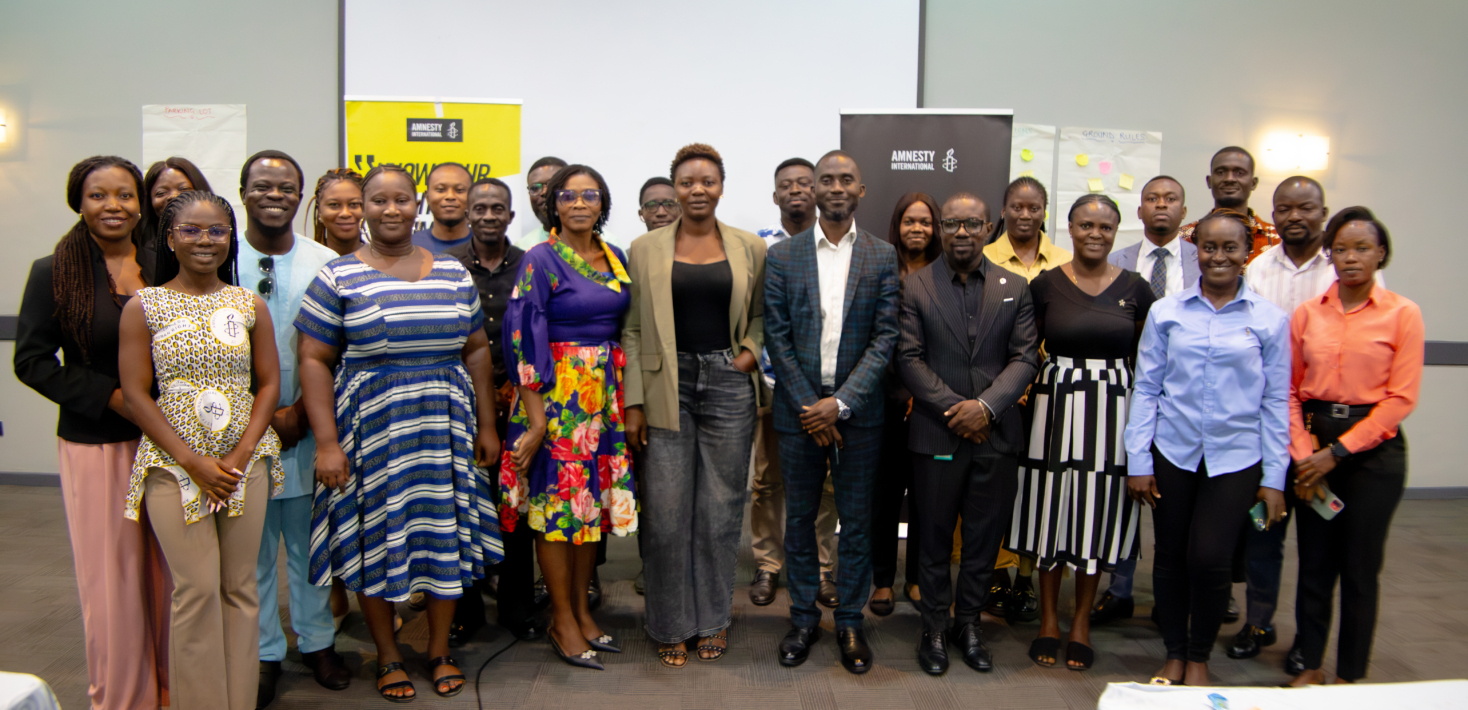


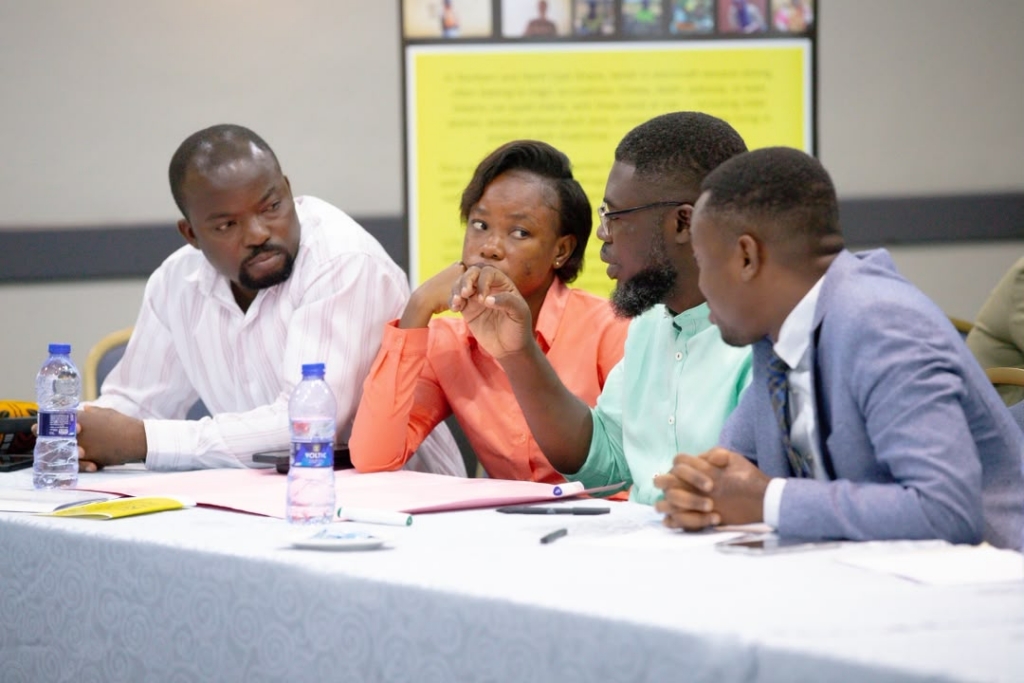
A headline can shape public perception. The choice of an image, a source or even a single word can influence how the public understands a person, an event or a human rights issue. It is with this background that journalists and editors gathered with Amnesty International Ghana on 10 August 2026 for a Human Rights Reporting Workshop exploring the intersection of human rights, professional journalism and ethical reporting.
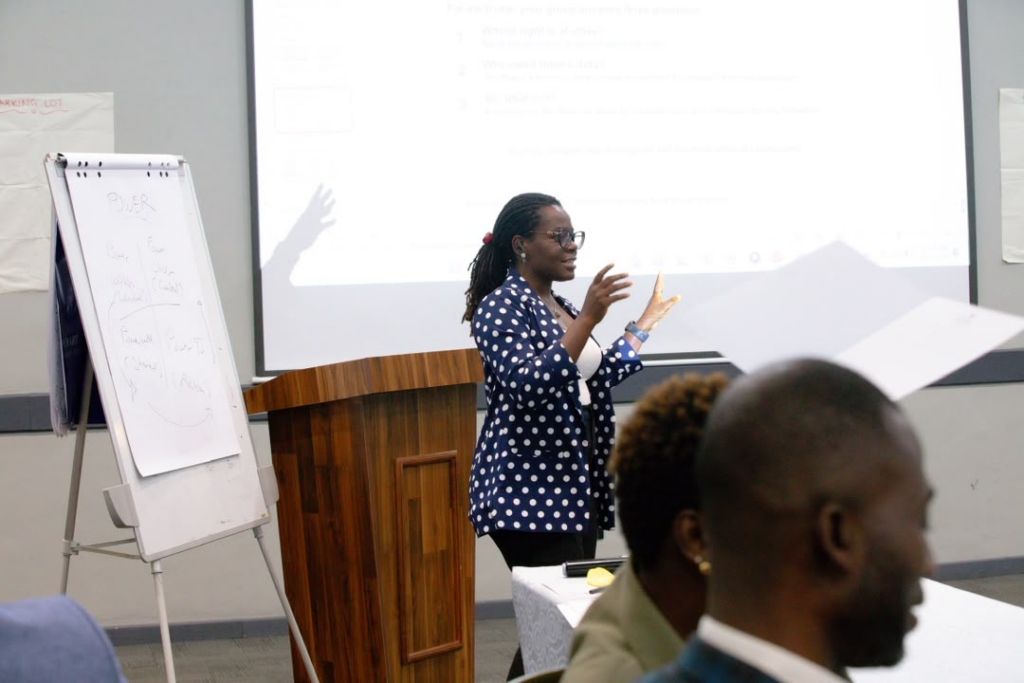
The engagement created space for participants to reflect on what changes when journalists apply a human rights lens to the stories they already report. In the opening session, James Quarshie, Human Rights Education Coordinator at Amnesty International Ghana, led participants through human rights principles and the role of the media.
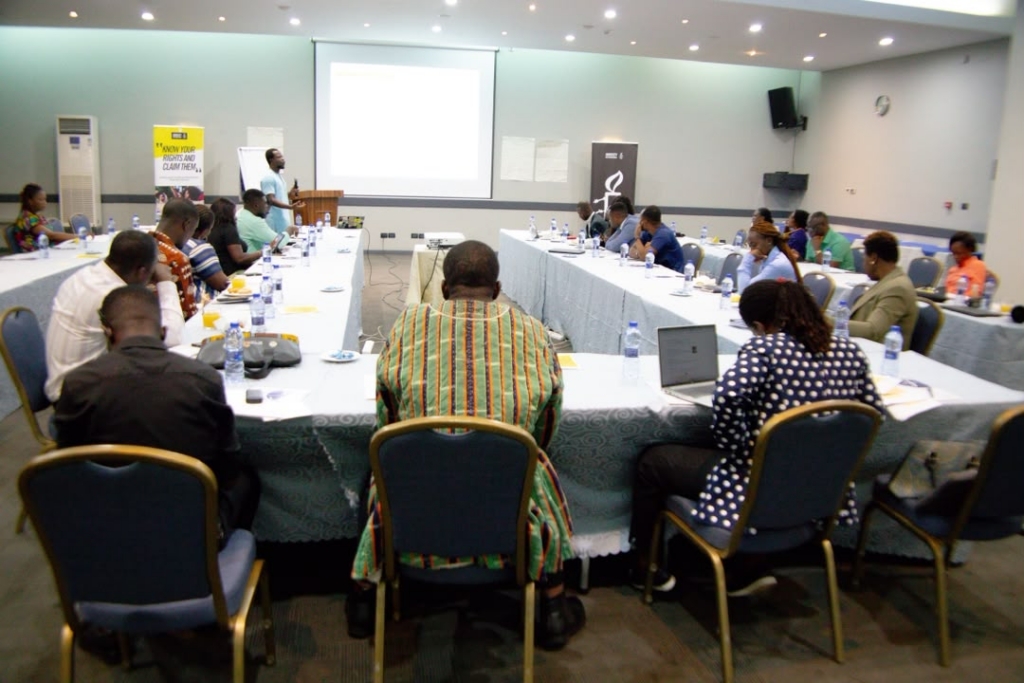
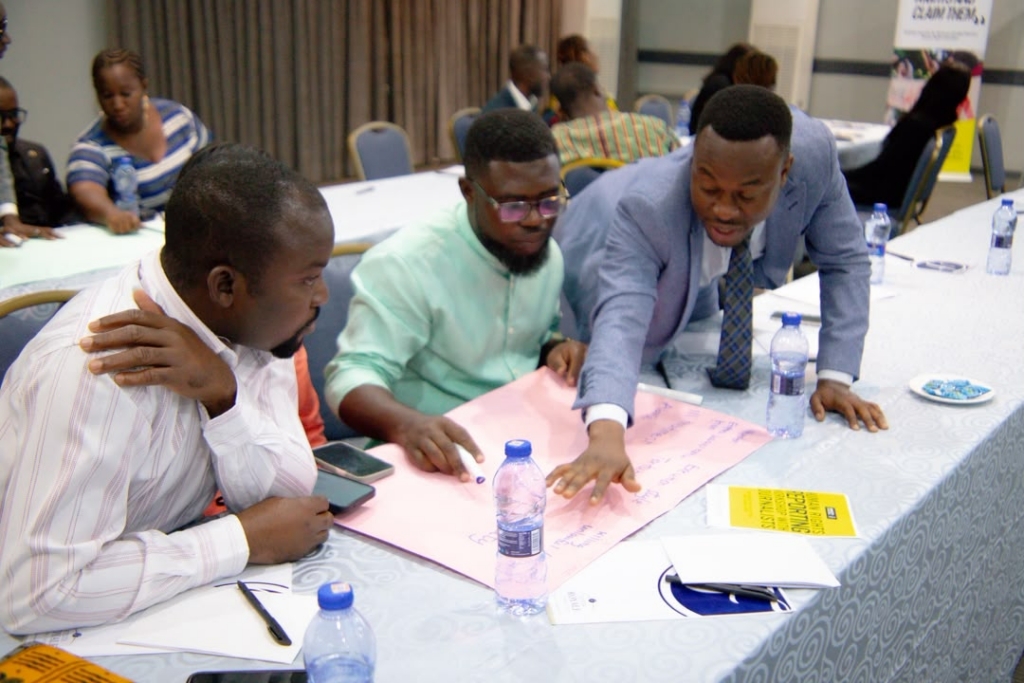
The discussion encouraged journalists to look beyond simply asking what happened and to consider whose rights are affected, whose voices are missing, who holds responsibility and where accountability lies. The conversation also explored human rights violations in Ghana, Amnesty International’s mandate and campaigns, led by Gloria Emeka, Board Vice Secretary of Amnesty International Ghana. Participants reflected on how research can serve as more than a reference material, providing journalists with evidence and context to investigate the wider patterns behind individual stories. The final session, facilitated by lawyer and journalist Samson Ayenini, focused on ethical reporting, accuracy, fairness, confidentiality and informed consent. The discussion highlighted the responsibility journalists carry when reporting on sensitive issues and people who may be vulnerable to further harm.
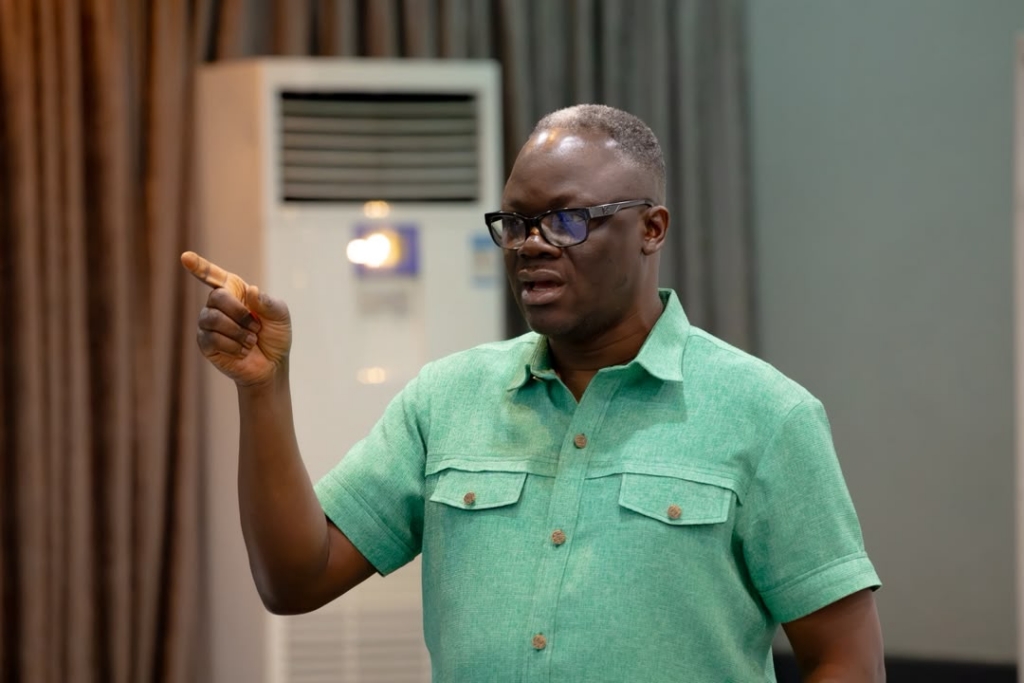
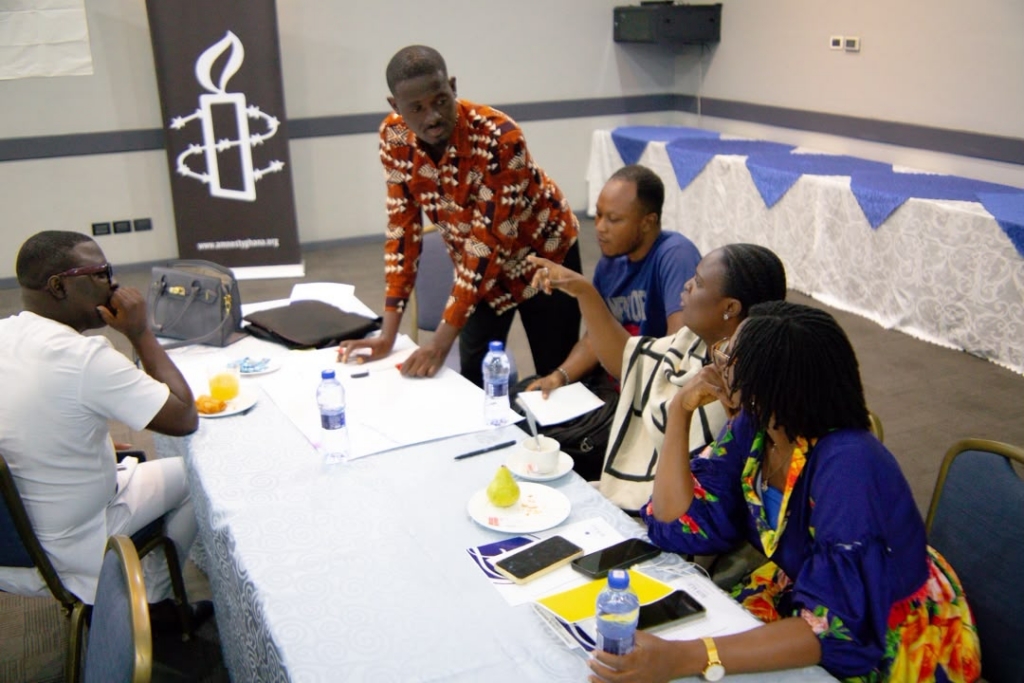
An open forum gave participants the opportunity to share experiences from the field and engage with the facilitators on the realities and challenges of reporting human rights issues. The workshop reinforced a simple but important idea: human rights reporting goes beyond documenting an incident. It requires journalists to examine the wider story such as how it affects people, the systems involved, those responsible and the questions that remain unanswered. Through engagements such as this, Amnesty International Ghana continues to strengthen collaboration with the media in promoting informed public discourse and ensuring that human rights issues remain part of the national conversation.
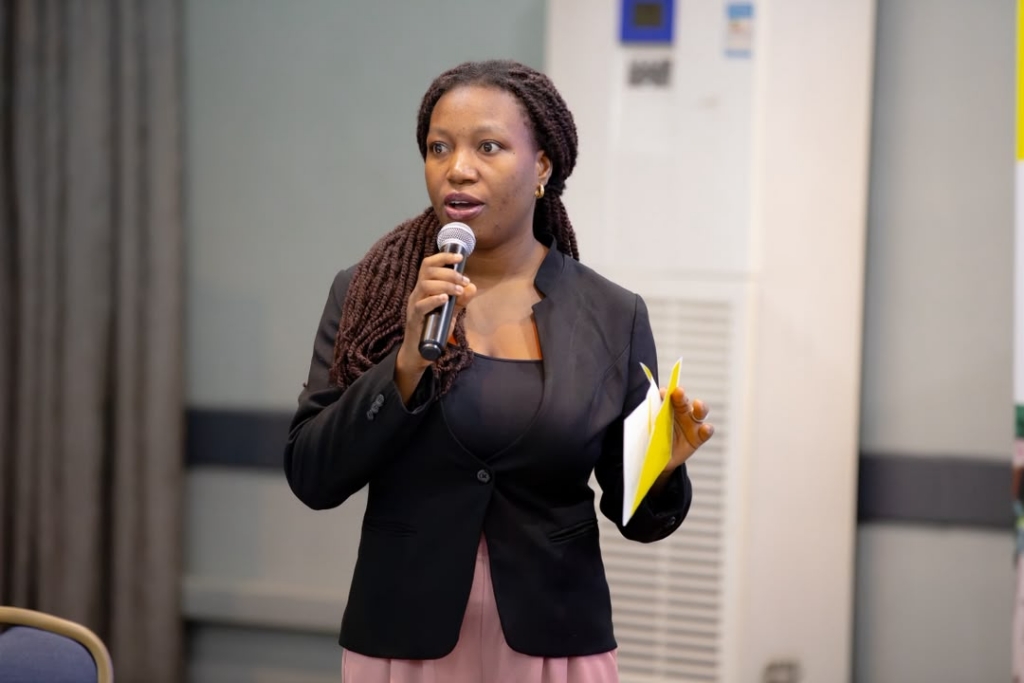
Putting human rights at the heart of journalism means more than telling people what happened. It means asking why, giving voice to those affected and continuing to question power in pursuit of accountability.